Automotive restraint components
A clearer way to source seatbelt requirements.
A supplier-focused platform for understanding automotive seatbelt requirements, identifying relevant products and starting clear B2B conversations.
- Who it is for
- Businesses, workshops, distributors and fleet buyers.
- What it covers
- Seatbelts, assemblies, buckles and related components.
- How it works
- Describe the requirement, we clarify it, then we quote.
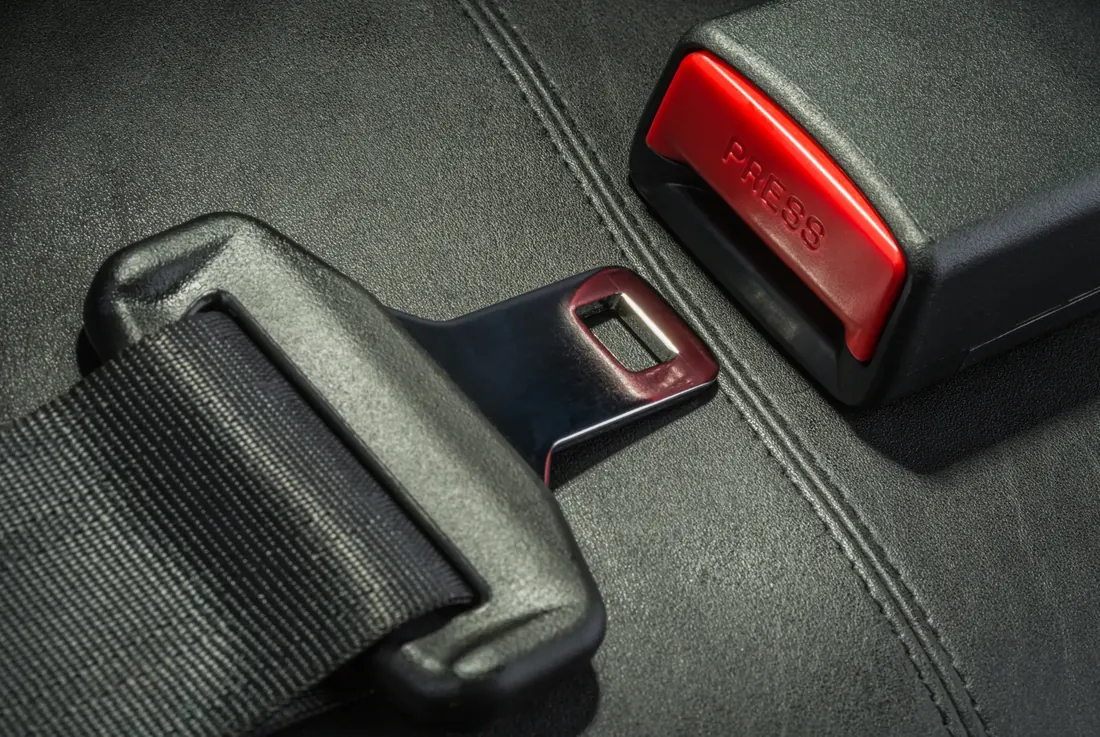
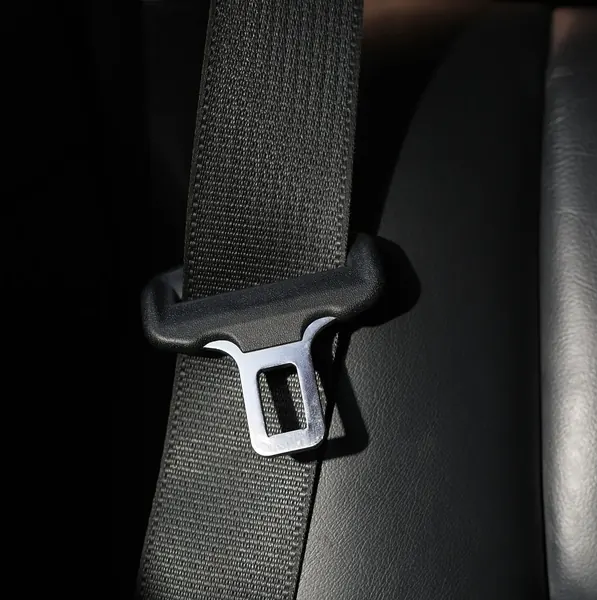
The supplier’s desk
What should a buyer know before sourcing?
Most seatbelt enquiries stall for the same reason: the requirement is described in a way that could mean several different products. These are the details that move an enquiry forward on the first exchange.
- 01 Vehicle or application The make, model and year where known, or the type of vehicle and the seating position the requirement relates to. Seatbelt hardware is closely tied to the vehicle it was designed around, so this is usually the single most useful line in an enquiry.
- 02 Product type Whether the requirement is for a complete seatbelt, a retractor-based assembly, a lap belt, a buckle or receiver, or a related component. If you are not certain which term applies, a photograph settles it faster than a description.
- 03 Configuration Two-point or three-point, the side of the vehicle, the mounting arrangement and the approximate webbing length. Configuration is where similar-looking requirements diverge most.
- 04 Quantity A single piece, a small batch or a recurring requirement. Quantity changes how a requirement is coordinated, so it is worth stating even when it is approximate.
- 05 Available photographs Images of the existing part, the mounting points and any visible markings. Photographs remove more ambiguity than any other single piece of information.
- 06 Existing markings Part numbers, moulded codes, labels on the webbing and any text stamped into the latch plate or buckle housing. Markings are often the fastest route to a confident identification.
- 07 Intended use Whether the requirement relates to replacement, resale, workshop stock or an ongoing supply arrangement. Intended use affects how the enquiry is best structured.
- 08 Destination Where the goods need to reach. Destination affects coordination, timelines and the documentation that accompanies a supply.
- 09 Specific requirements Anything you already know matters — a colour, a length, an approval your own customer expects, a deadline, or a constraint you have already run into elsewhere.
A short note on safety
Seatbelts are part of a vehicle’s restraint system. Nothing on this website is guidance for modifying, bypassing or repairing a restraint system. Selection, fitment and verification should always be carried out by a qualified automotive professional against the requirements that apply to the vehicle and the market it operates in.
Catalogue index
The categories buyers ask for most.
Six working categories, indexed the way a sourcing desk would file them. Each opens onto the detail a buyer needs in order to describe the requirement precisely.
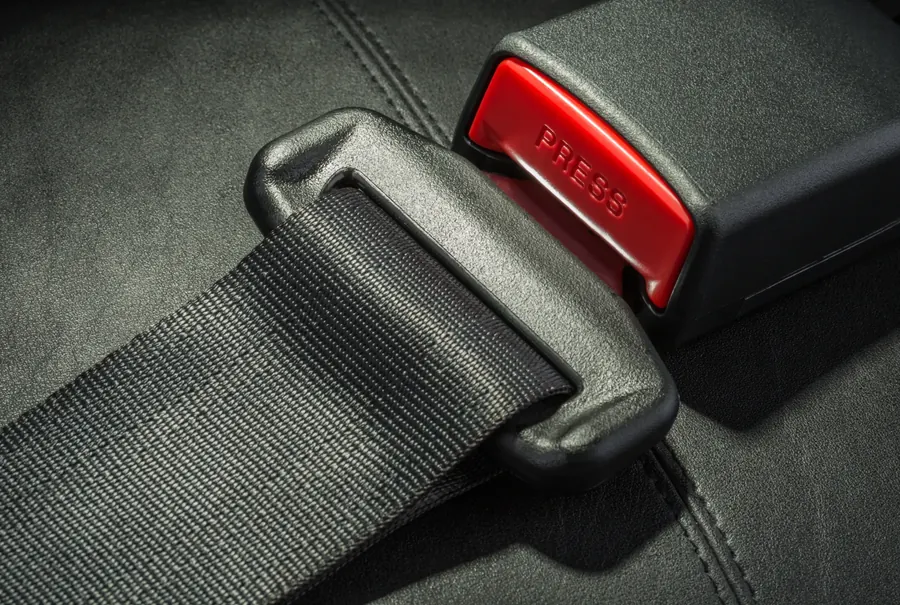
Product understanding
Start with the information you have.
A seatbelt requirement rarely arrives fully specified, and it does not need to. What matters is that the information you already hold is put on the table early, so that the identification work happens once rather than three times.
Useful information includes photographs of the part and its mounting points, the vehicle it belongs to, the seating position, the existing seatbelt’s visible markings, the quantity involved and where the goods need to reach. Any one of these narrows the field. Together they usually settle it.
If a detail is unknown, saying so is more useful than guessing. An enquiry that reads “three-point belt, front left, vehicle unconfirmed, photographs attached” can be worked with immediately. One that reads “standard car seatbelt” cannot.
- Most useful
- Clear photographs of the existing part, taken in daylight, including the mounting points.
- Next most useful
- Vehicle make, model and year, plus the exact seating position.
- Often decisive
- Part numbers or moulded codes on the latch plate, buckle housing or webbing label.
How we supply
Good supply starts with a clear requirement.
Six stages, run in order. Nothing moves to the next stage until the previous one is genuinely settled — which is what keeps a supply conversation short.
01 — Understand
Read the requirement as written
We start from what you have actually asked for, not from what is easiest to quote. Where the requirement is ambiguous, that is noted rather than assumed away.
02 — Identify
Match it to a real product
Photographs, markings, vehicle details and configuration are used together to narrow the requirement to something specific enough to price.
03 — Clarify
Ask before assuming
Open questions are put back to you in one consolidated message, so the enquiry does not turn into a long chain of single-line exchanges.
Applications
Organised by the buyer, not the part.
The same component behaves like a different requirement depending on who is asking for it and why. These are the four contexts most enquiries fall into.
Passenger Vehicles
Cars, hatchbacks, sedans and SUVs, where the requirement is usually tied to one vehicle and one seating position.
Read moreCommercial Vehicles
Vans, trucks, buses and utility vehicles, where seating layouts and duty cycles differ from passenger cars.
Read moreFleet Requirements
Repeat and multi-unit requirements across a group of vehicles, where consistency matters as much as the part itself.
Read moreWorkshops & Replacement
Garages and service centres identifying a replacement from a vehicle already on the ramp.
Read moreBuyer guide
Make your enquiry easier to understand.
A field-by-field walkthrough of what to include when you write to a supplier — and why each line changes the answer you get back.
Open the guideQuality
Quality begins before the product is supplied.
How identification, product information, application awareness and documentation are handled — and what remains yours to verify.
Read our approachStart here
Tell us what you need. We will tell you what we need to know.
Send the requirement in whatever shape it is in. If something essential is missing, we will ask for it in one message rather than five.